
In industrial systems, strong and reliable connections are needed between valves, pipes and pumps. Flanges make these connections possible. In this blog post we will explain what a flange is, its main types, connection methods and how machining makes flanges dependable.
What Is A Flange?
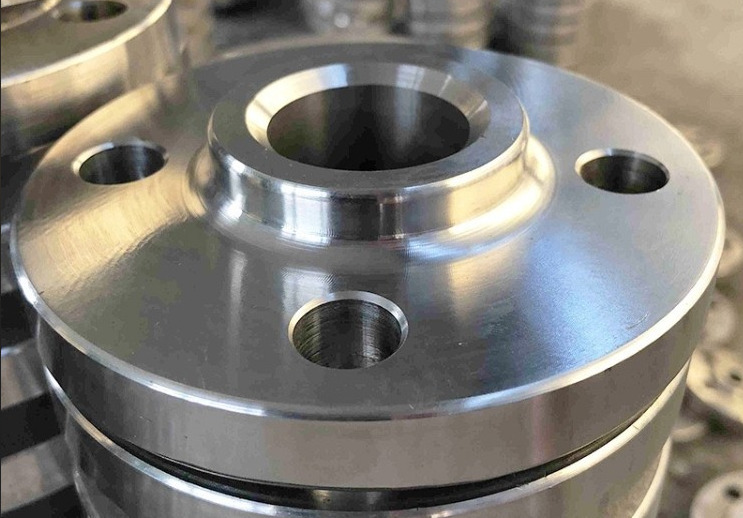
In simple terms, a flange is a disc‐shaped component that connects pumps, pipes or valves together. It forms a rim that lets two components be tightly joined using bolts. Flanges are normally used in pairs and sealed with a gasket to prevent leakage. This setup also lets systems be easily disassembled for maintenance.
Function & Basic Anatomy of a Flange
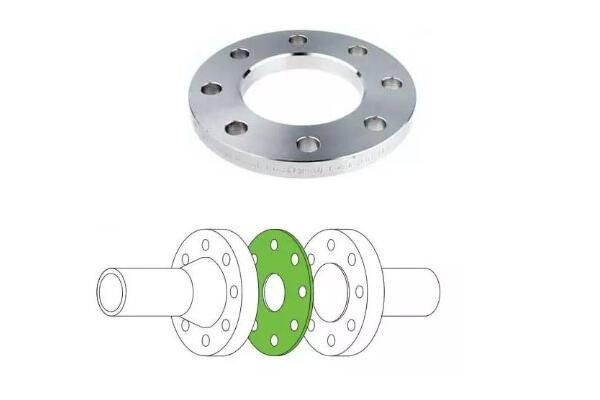
Flanges have many important roles and a design that supports their function.
1. Core Functions
- Securely connect pipes, pumps or valves.
- Provide a leak‐proof and strong seal between components.
- Allow easy disassembly for inspection, maintenance or repairs.
2. Basic Anatomy
- Flange face: It’s a flat surface that compresses against the gasket to create a seal.
- Bolt holes: These are the openings where bolts pass through to join two flanges together.
- Hub/ Neck: It’s a tapered part that attaches the flange to the pipe, often through welding.
- Rim/ disc area: It’s a main body of the flange that contains the bolt holes.
3. Key Performance Factors
A few important factors determine how well a flange performs
- Strength of the material and its ability to withstand pressure.
- Quality of the face finish (typically Ra: 1.6‐6.3 micrometers).
- Accuracy of bolt alignment & dimensional precision.
4. Standards & Markings Overview
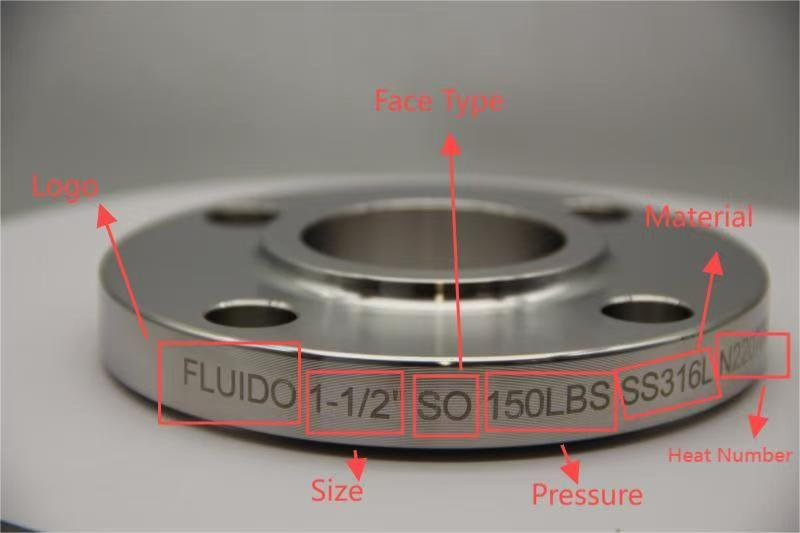
Standards such as ASME B16.5 along with markings on each flange (like pressure class, material & size), have a crucial role. They make part replacement easier and assure safe compatibility between products from different suppliers.
Types of Flanges (Geometric/ Functional Classification)
Flanges come in different shapes, each appropriate for particular applications and operating conditions.
Weld‐Neck Flange

A weld‐neck flange has a long, tapered hub that connects to the pipe through butt welding. This shape transfers stress away from the joint and provides strong support for high temperature and high pressure use. Installing this type of flange needs a skilled welder.
Slip‐On Flange

This flange easily slides onto the pipe before welding. It is simple and affordable to install. Slip‐on flanges are mostly used in low pressure systems. Since they don’t provide high strength, they are not recommended for high‐stress conditions.
Socket‐Weld Flange

In a socket‐weld flange, the pipe fits inside a socket and is then welded. This setup creates a smooth flow path. This makes it ideal for small pipes in chemical plants. It is stronger than a slip‐on a flange. However its narrow crevice can trap corrosive material therefore it is not recommended for corrosive environments.
Lap‐Joint Flange

A lap‐joint flange consists of two parts; a stub end and a backing flange. Only the stub end is welded to the pipe. The backing flange can rotate. This makes bolt alignment easier. This type of flange is best suited for systems that need frequent disassembly.
Threaded Flange
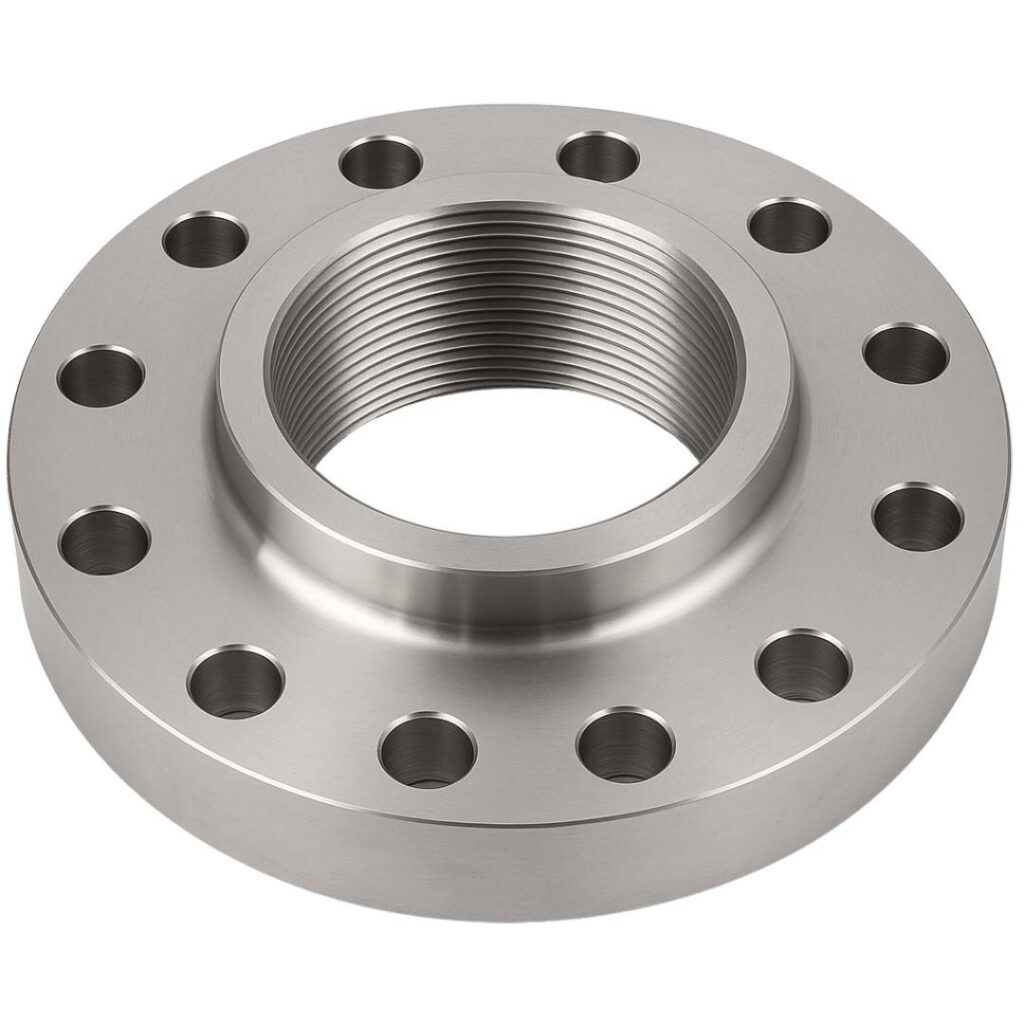
Threaded flanges attach by screwing onto a threaded pipe therefore welding isn’t required. This makes installation and removal very convenient. These flanges are mainly used in low‐pressure systems as high stress can increase the risk of leakage.
Blind Flange & Other Special Types
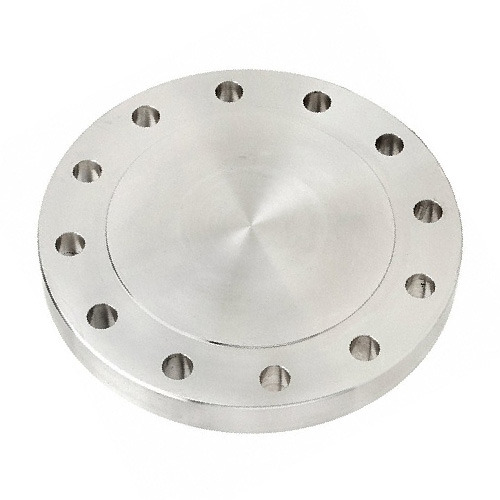
A blind flange is a solid plate used to close off a vessel or pipe. It also allows future access if needed.
Other particular types include Orifice flanges (for flow measurement), Spectacle Blinds (for isolating sections), and Reducing flanges (for joining pipes of different sizes)
Summary Table
| Flange Type | Design Feature | Typical Application | Pressure/ Temp Suitability |
| Weld‐Neck | Tapered hub welded to pipe | High‐stress, critical systems | High pressure & temperature |
| Slip‐On | Slips over pipe then welded | General, low‐pressure lines | Low pressure, moderate temp |
| Socket‐Weld | Pipe fits in socket, then welded | Small, high‐pressure pipes | High pressure, moderate temp |
| Lap‐Joint | Two‐part; rotating backing flange | Systems needing frequent dismantling | Low to moderate pressure & temp |
| Threaded | Screws onto a threaded pipe | Low‐pressure, no‐weld applications | Low pressure, not for high temp |
| Blind | Solid disc to seal pipe end | Sealing the end of a pipe or vessel | Varies by pressure class |
Connection Methods & Sealing Considerations
How Flanges Are Connected?
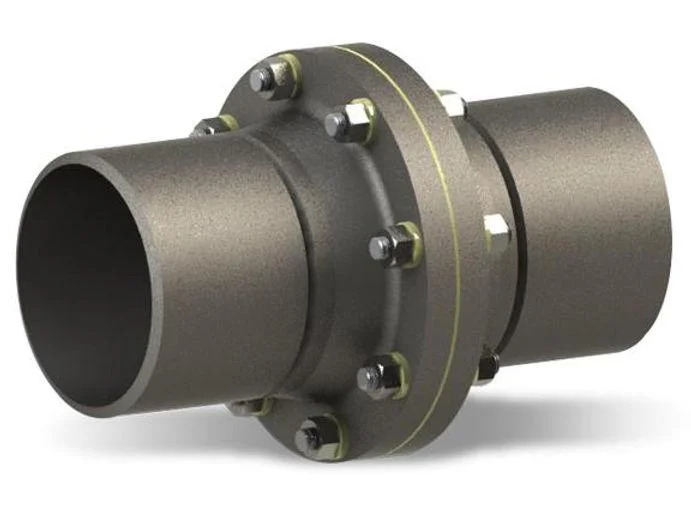
Flanges use different joining methods, each designed for particular pressures and applications.
- Bolt‐on: Two flanges are clamped together using bolts with a gasket in between. This is the most common method.
- Weld connection: The flange is directly attached to the pipe by welding. This creates a strong, permanent joint.
- Threaded: These flanges are screwed onto pipes using threads. This makes installation and removal easy.
Key Components of a Flange Joint
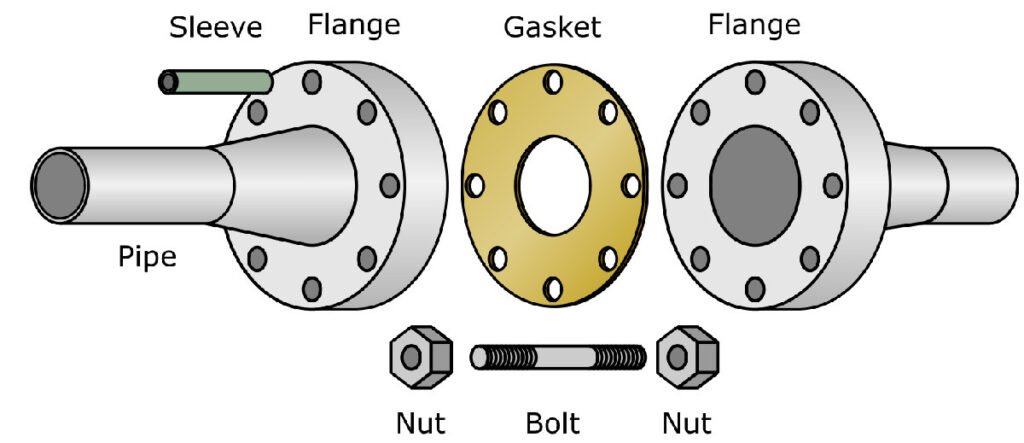
A reliable flange joint depends on the coordinated performance of different parts.
- Two Flanges: These matching rims form the main connection.
- Gasket: A soft material sits between the flanges to block leaks.
- Bolts/ Studs: These fasteners hold the flanges together tightly.
- Alignment: The flanges must line up exactly to avoid leaks and stress.
Sealing Surfaces & Face Types
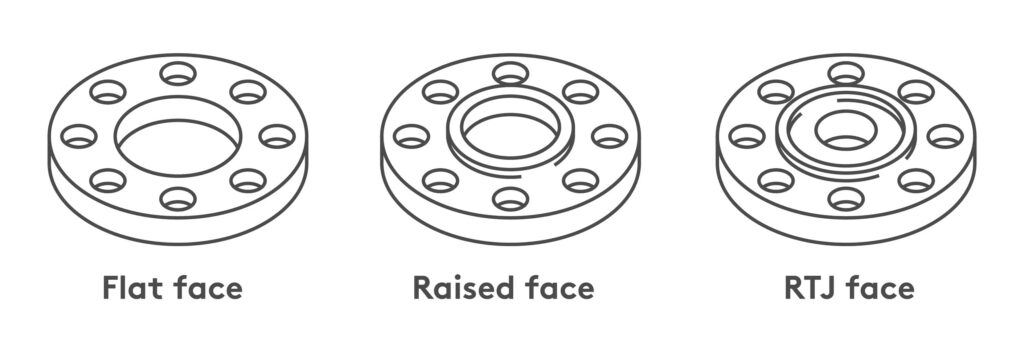
The design of the flange face is critical for effective sealing. Different face types are suited for different pressure requirements.
- Flat Face: A flat surface best suited for low‐pressure applications.
- Raised Face: A small raised area that exerts pressure on the gasket for a stronger seal.
- Ring‐Type Joint (RTJ): A metal ring fits into a groove, appropriate for high‐pressure and high‐temperature conditions.
- Tongue & Groove: One flange has a ring that fits into a matching groove on the other.
- Male/ Female: One flange has a small extension that fits into a corresponding recess on the other.
Leakage & Sealing Failure Modes
Different factors can cause leakage in flange joints. Gasket failure is a common issue but leakage can also start from the contact area of the flange itself. A smooth surface finish is essential to create a strong seal. Bolts must be tightened correctly so that the gasket is properly compressed and prevents leakage.
Bolting Considerations
The way bolts are tightened directly affects the strength of the joint. Proper tightening prevents leakage and reduces the risk of fatigue. This minimizes the need for future maintenance.
Installation & Maintenance Tips
- Align the flanges perfectly before tightening the bolts.
- Tighten the bolts in a star or crisscross pattern to assure even pressure distribution.
- Always install a new gasket every time.
- Before assembly, always inspect the flange faces for damage.
Machining & Manufacturing Process of Flanges
Producing a dependable flange involves several stages; material selection, machining, shaping as well as testing. Every stage makes sure that the flange performs well and meets quality standards even under tough conditions.
Material Selection
The first and most important step is choosing the right material. Stainless steel, carbon steel and various alloys are commonly used. The choice depends on factors such as pressure rating, temperature as well as corrosion resistance. For example carbon steel (A105) is suitable for general use while stainless steel is best for corrosive environments.
Forming/ Forging/ Casting
The next step is to shape the flange which can be done through casting, forming or forging. In forging, the metal is heated and pressed into its final shape. This method produces durable and strong flanges. In casting, molten metal is poured into a mold—this is more affordable but doesn’t produce parts as strong as forged ones. For high‐strength applications, forging is generally preferred.
Also See: Forging vs Casting vs CNC Machining
Heat Treatment & Material Conditioning
Some flanges need heat treatment after shaping. This step increases toughness and strength; and also relieves internal stresses formed during forging. Common heat treatment methods include normalizing, annealing as well as tempering. These processes help the flange perform optimally under its intended working conditions.
If you need additional assurance, we can provide hardness reports or heat treatment records.
Machining Operations
Machining gives the flange its final form. CNC machines turn the hub and precisely finish the face. They also drill bolt holes to assure perfect alignment. Achieving tight tolerances at this stage is crucial, particularly for face flatness and bolt circle accuracy.
Surface Treatment & Finishing
Finishing the flange face is vital for achieving a proper seal with the gasket. Many flanges use a serrated finish with small grooves that help the gasket settle and prevent leakage. Manufacturers may also apply protective coatings to guard against corrosion. Finally, each flange is stamped with markings for easy identification.
Inspection & Quality Control
Every flange undergoes strict quality checks. Inspectors measure all dimensions to verify accuracy. Some flanges are pressure‐tested to assure there’s no leakage. Material Test Certificates (MTCs) confirm the quality of the metal used. These steps guarantee that every flange is safe and reliable.
For critical projects, we also provide complete inspection reports and pressure testing so you can have full confidence in every piece you receive from ANCASTINGS.
Special Considerations
- Some high‐pressure flanges need additional machining such as adding RTJ grooves for metal gaskets.
- Lap‐joint flanges perform best in systems that need frequent maintenance.
Materials, Standards & Selection Criteria for Flanges
Selection of the right flange means matching the correct material and standards to your application needs.
Material Choices
Choice of the right material affects both cost and durability. Carbon steel is suitable for general applications. Stainless steel helps resist corrosion. For high‐temperature or high‐pressure conditions, alloy steels such as Monel or Inconel are often used.
Key Standards to Know
Standards assure that flanges are safe, reliable and interchangeable. ASME B16.5 covers flanges up to 24 inches while ASME B16.47 applies to larger sizes. DIN, EN 1092-1 and ISO standards are also common— particularly in Europe.
Pressure, Temperature & Size
Pressure classes like Class 150 or Class 300 indicate how much pressure a flange can withstand at a given temperature. Higher temperatures reduce the pressure rating. The Nominal Pipe Size (NPS) of the flange must match the pipe it connects to.
Face Type vs Application
Your application determines which flange face type is required. For moderate pressure, a raised face is commonly used. For high‐pressure and high‐temperature services, a Ring‐Type Joint (RTJ) is essential.
If you’re unsure which face finish suits your needs, contact us. Our team will help you select the most appropriate flange face type for your system.
Key Selection Criteria
- Verify that the flange matches your pipe’s size & wall thickness.
- Assure that pressure and temperature ratings meet your system’s requirements.
- Choose a material that can resist corrosion caused by the fluid being transported.
- Confirm that the assembly fits within the available installation space.
- Consider both initial cost and long‐term performance before finalizing your choice.
Applications, Benefits & Limitations of Flanges
Applications
Flanges provide secure connections across a wide range of industries even under demanding conditions.
- Chemical: In chemical plants, flanges connect pipes and equipment that handle corrosive materials and high temperatures.
- Power Generation: In power plants, flanges join systems for turbines, steam, cooling water and boilers operating under high pressure & temperature.
- Oil & Gas: Necessary for connecting high‐pressure pipelines and equipment in both extraction and refining operations.
- Water Treatment: Municipal water distribution and treatment facilities use flanges to connect pumps, pipes and filtration units.
- HVAC: In HVAC (heating, ventilation and air conditioning) systems, flanges connect pipes for circulating hot water or steam.
Benefits of Flange Connections
Flange connections have several major advantages for system design and maintenance.
- Easy Maintenance/ Disassembly: Flanged joints can be quickly disassembled for maintenance, repair or inspection. This reduces system downtime.
- Strong Sealing: When used with the right gasket and properly bolted, flanges form a tight seal which prevents leakage—essential for system safety.
- Flexibility: Flanges make it easier to align pipes and connect components of different sizes or materials.
- Interchangeability: Standardized dimensions let flanges from different manufacturers fit together easily. This simplifies replacement and assures compatibility.
Limitations
Flanges offer many advantages but compared to welded joints, they also have certain drawbacks.
- Flanged systems are generally more expensive since they include the cost of bolts, flanges, gaskets and labor.
- If flanges are not installed properly, leakage can occur. Uneven bolt tightening or misalignment are common causes of this.
- Flange connections require more space and added weight compared to welded systems.
Failure Modes & Risk Mitigation
Several factors can cause flange failure
- Corrosion may develop on the flange face.
- Improper pressure levels can cause gasket blow‐out.
- Bolts may experience fatigue and pipes can become misaligned.
To reduce these risks, always use proper installation methods and schedule regular inspections.
Tips to Extend Service Life
Follow these steps to increase the service life of a flange
- Choose the right material for your particular application.
- Select the correct gasket type.
- Install the flange properly and apply the correct torque on the bolts.
- Inspect flanges regularly for signs of damage or corrosion.
Checklist_ How to Select & Use the Right Flange
For Engineers & Purchasers
- Start by checking the pipe size, pressure requirements and the type of fluid in the system.
- Select the flange type according to the application—for example, use a weld‐neck flange for high pressure or a lap‐joint flange for systems that need frequent maintenance.
- Match the flange face with the appropriate gasket to assure a proper seal.
- Make sure the flange meets recognized standards such as DIN or ASME.
- Verify that the material can handle the system’s temperature and resist corrosion.
- Check the machining quality and assure all parts are correctly aligned.
For Maintenance Teams
- Inspect the flange face regularly for signs of wear or damage.
- Check that the bolts are tightened to the specified torque.
- Look for any leakage, even if it’s minor.
- Keep spare gaskets and bolts available for quick replacement when needed.
To Sum Up
Flanges have a crucial role in building reliable and strong piping systems. To achieve a safe and leak‐free connection, it’s important to understand the different materials, types and installation methods. For custom flanges built to your specifications, contact ANCASTINGS. Our team provides expert CNC machining and finishing services to assure top‐quality performance.
Weld‐neck flanges provide greater strength and can handle high pressure. Slip‐on flanges are more affordable and easier to install but they offer less durability.
A good surface finish lets the gasket form a tight seal. This helps prevent leakage between flange connections.
No. Most threaded flanges perform best under low-pressure conditions. They generally do not provide reliable performance in high-pressure environments.
Retorque the bolts about four hours after installation to compensate for gasket relaxation. For some materials, retorque again after 24 hours of the first use and then inspect annually to maintain safe performance.